The cement render on this listed building had cracked and been patched, which is the usual sequence. It came down to bare brickwork.
Battens were set to establish the level, Diathonite Evolution lime-cork-clay insulating render was built up to the thickness required, then the battens came out and the wall was rendered through. The finish is the part that mattered to the conservation officer: a sprayed Diasen Argatherm roughcast dash, which is the traditional finish for this building, now sitting over an insulating render rather than a cement one.
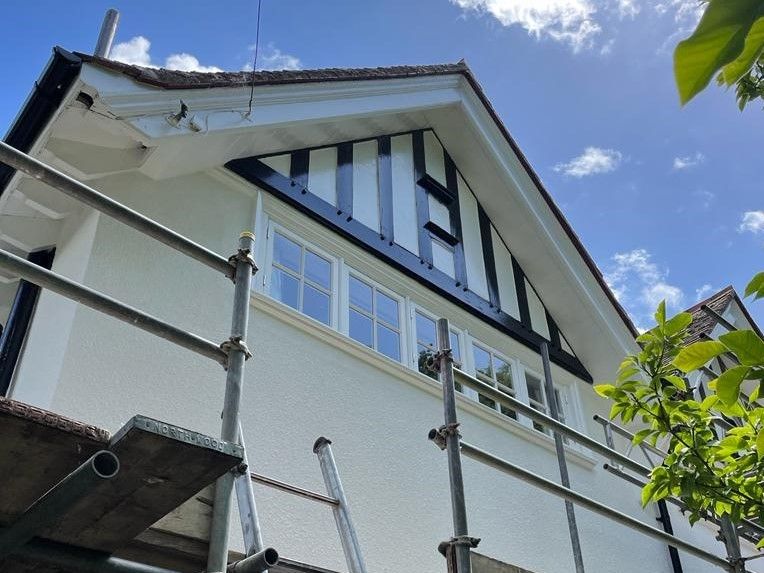
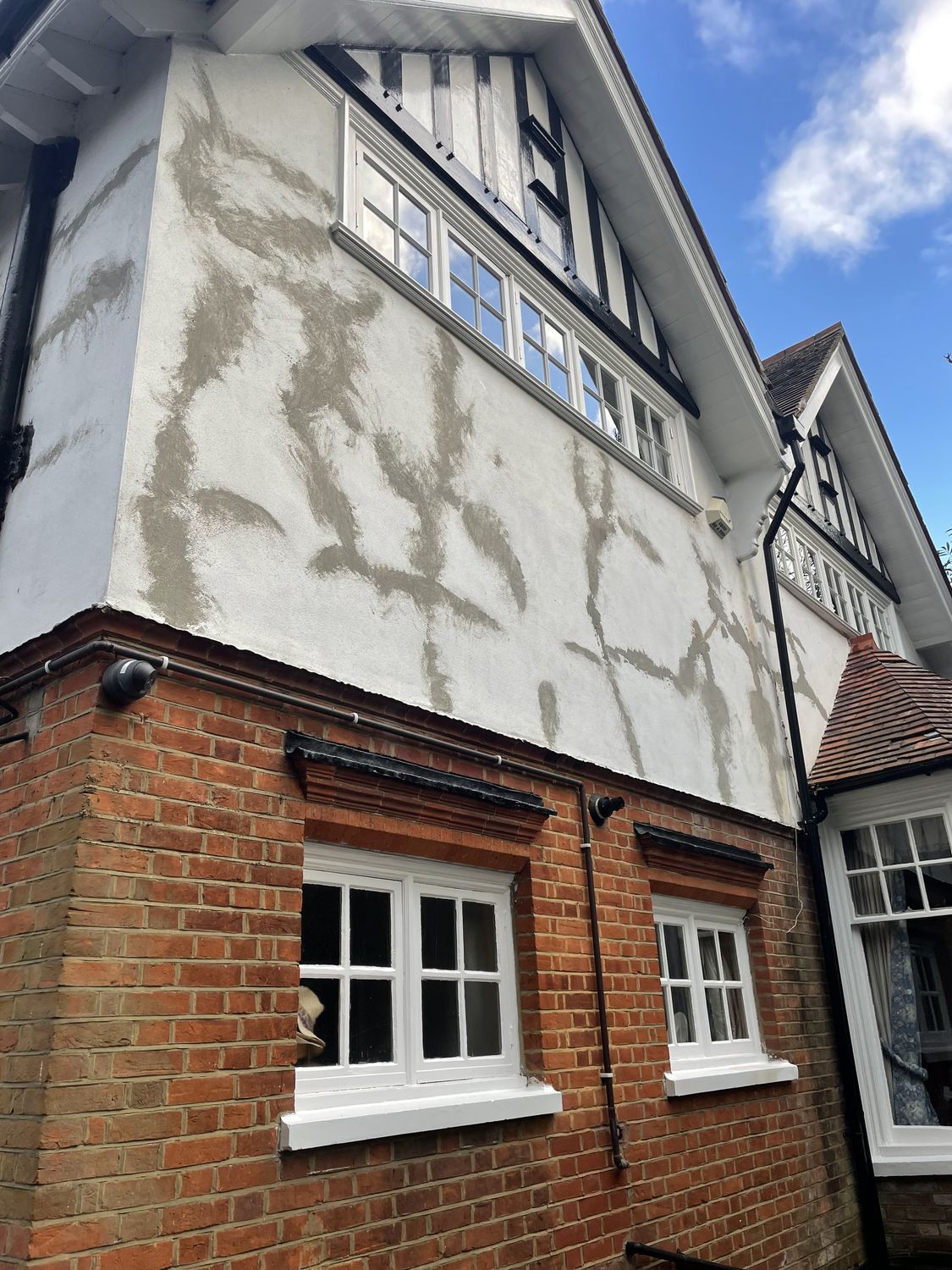
Cement render applied cracked and "repaired" on listed building - to be taken off
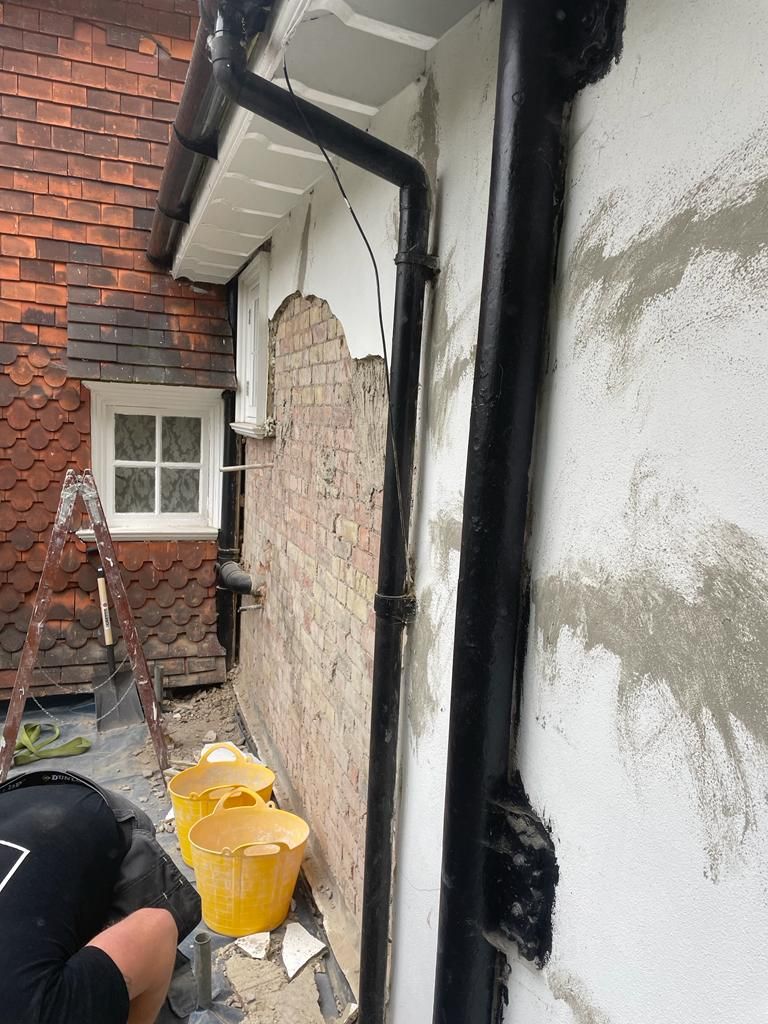
Preparation works - Cementitious, non-breathable render being taken down to bare brickwork before lime rendering
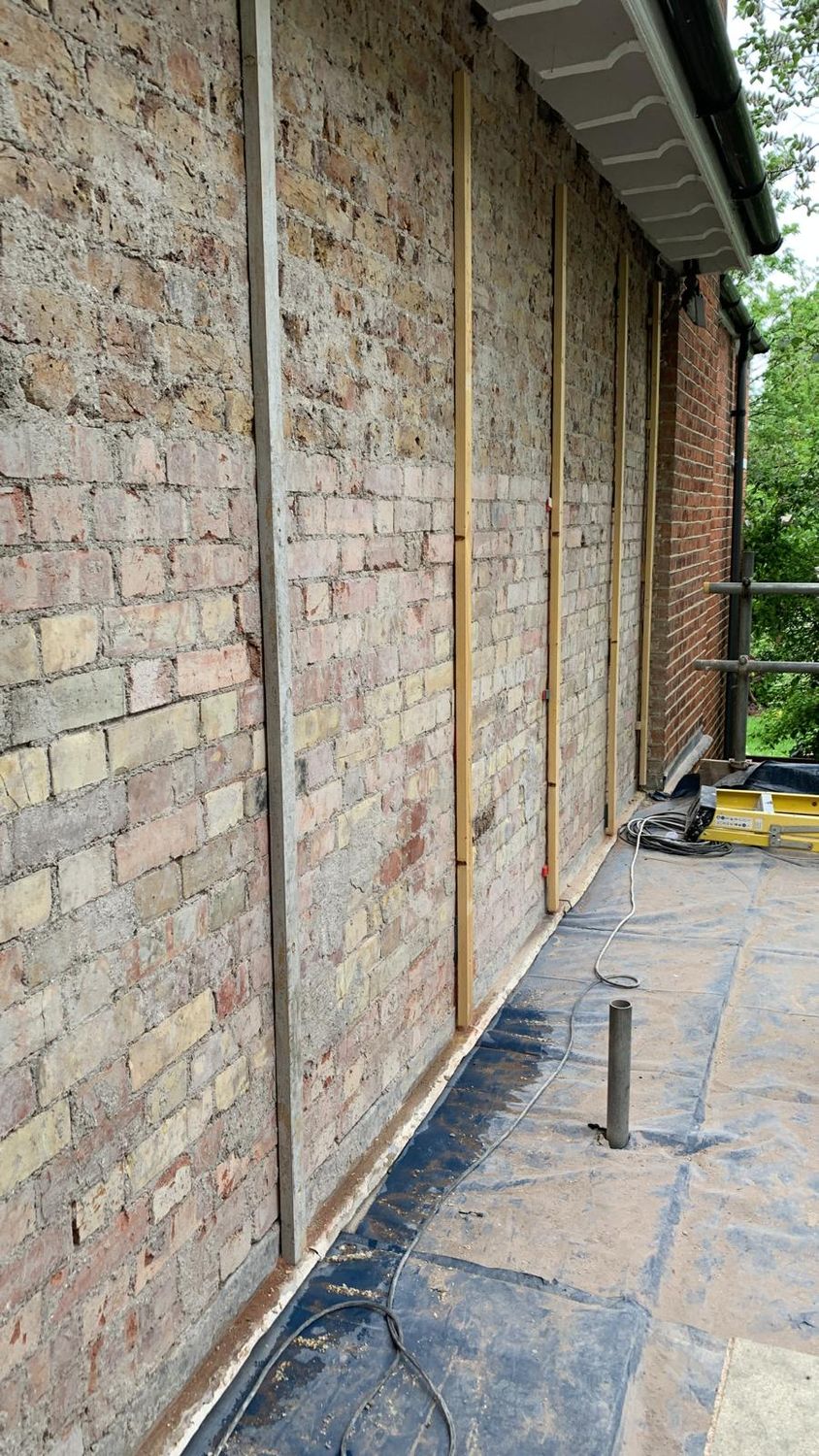
Preparation works - installing battens to set level for lime render
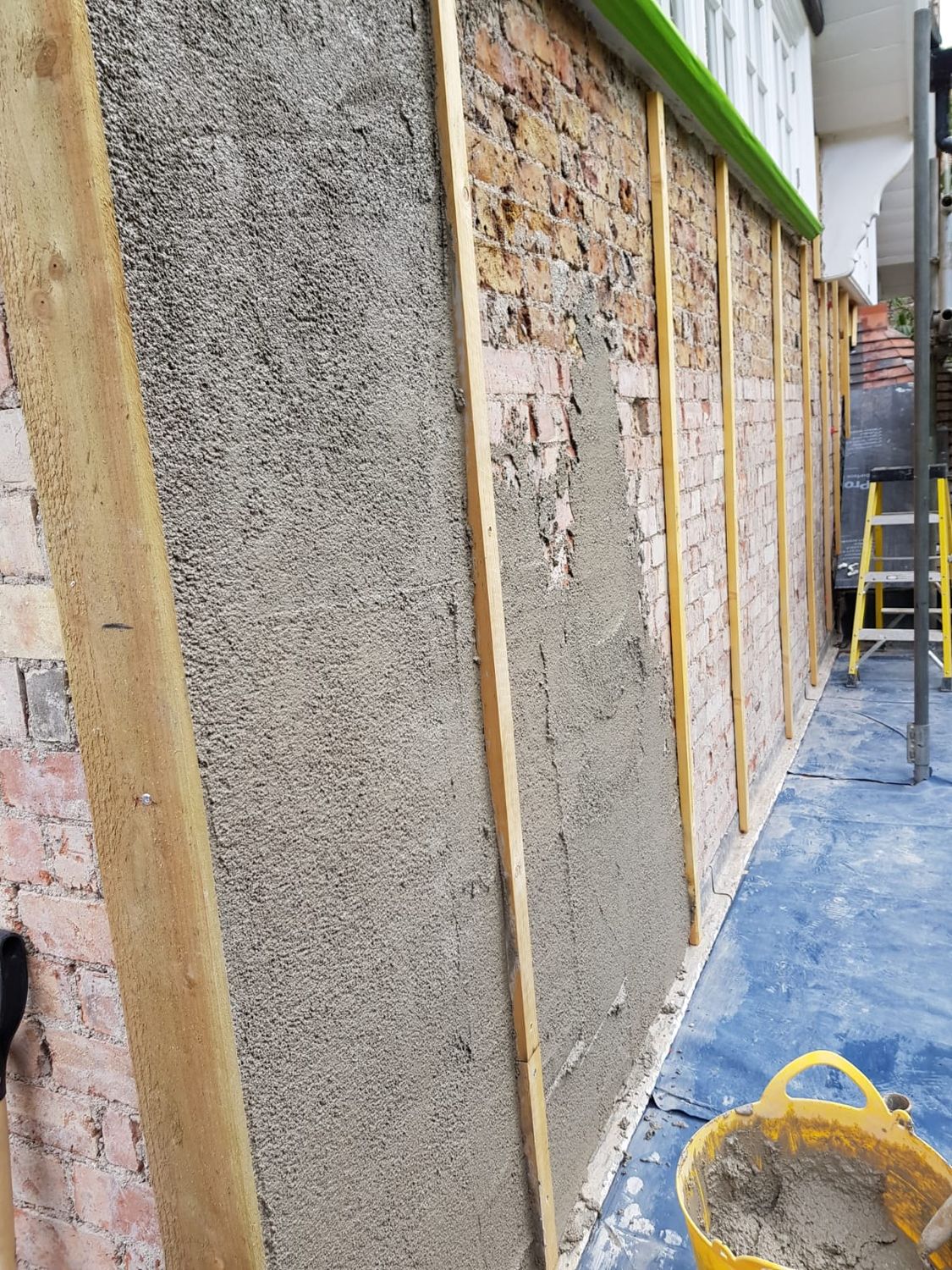
Diathonite Evolution lime-cork-clay insulating render being applied in Harrow, London
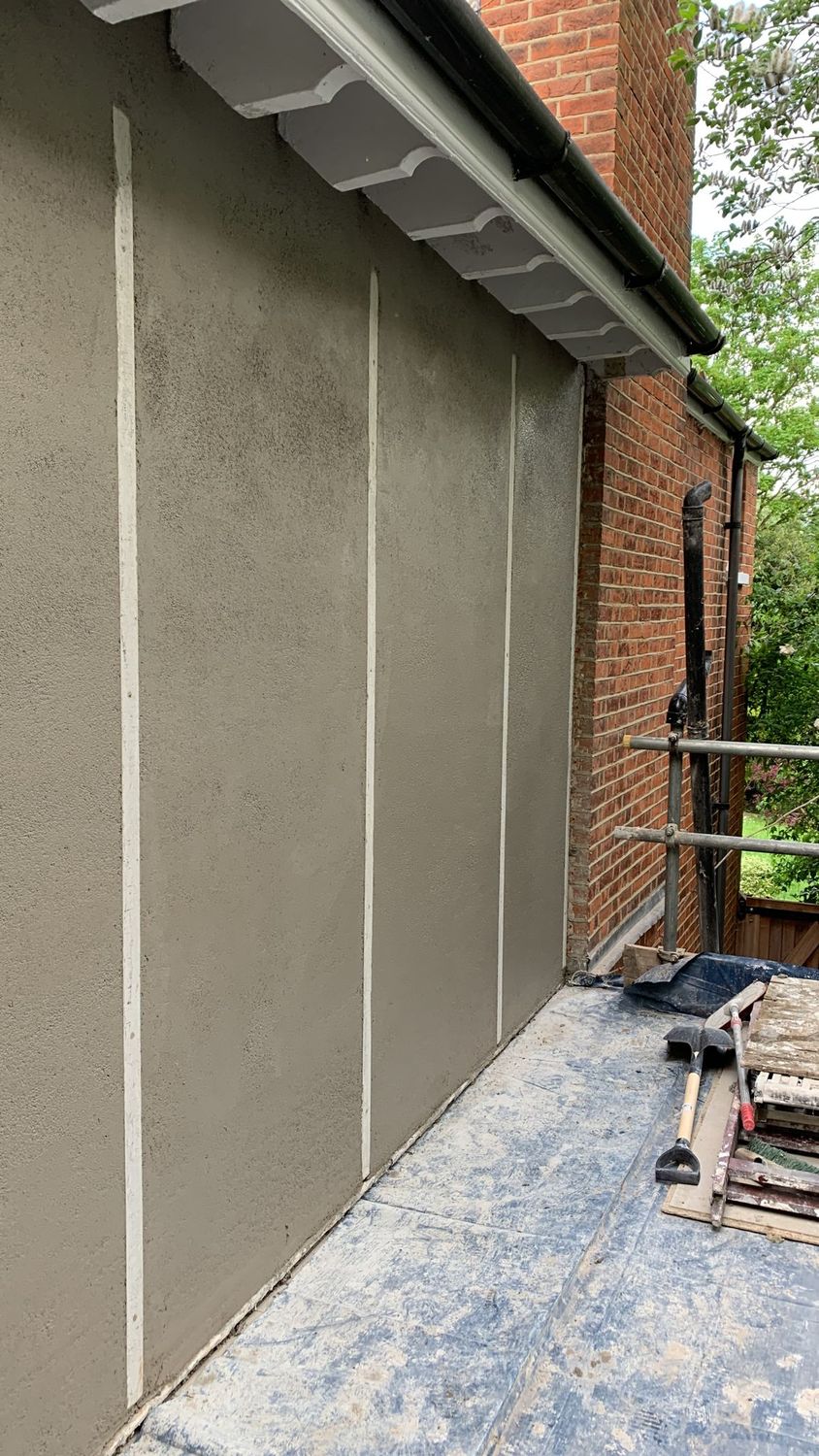
Diathonite lime-cork thermal render system applied to required thickness
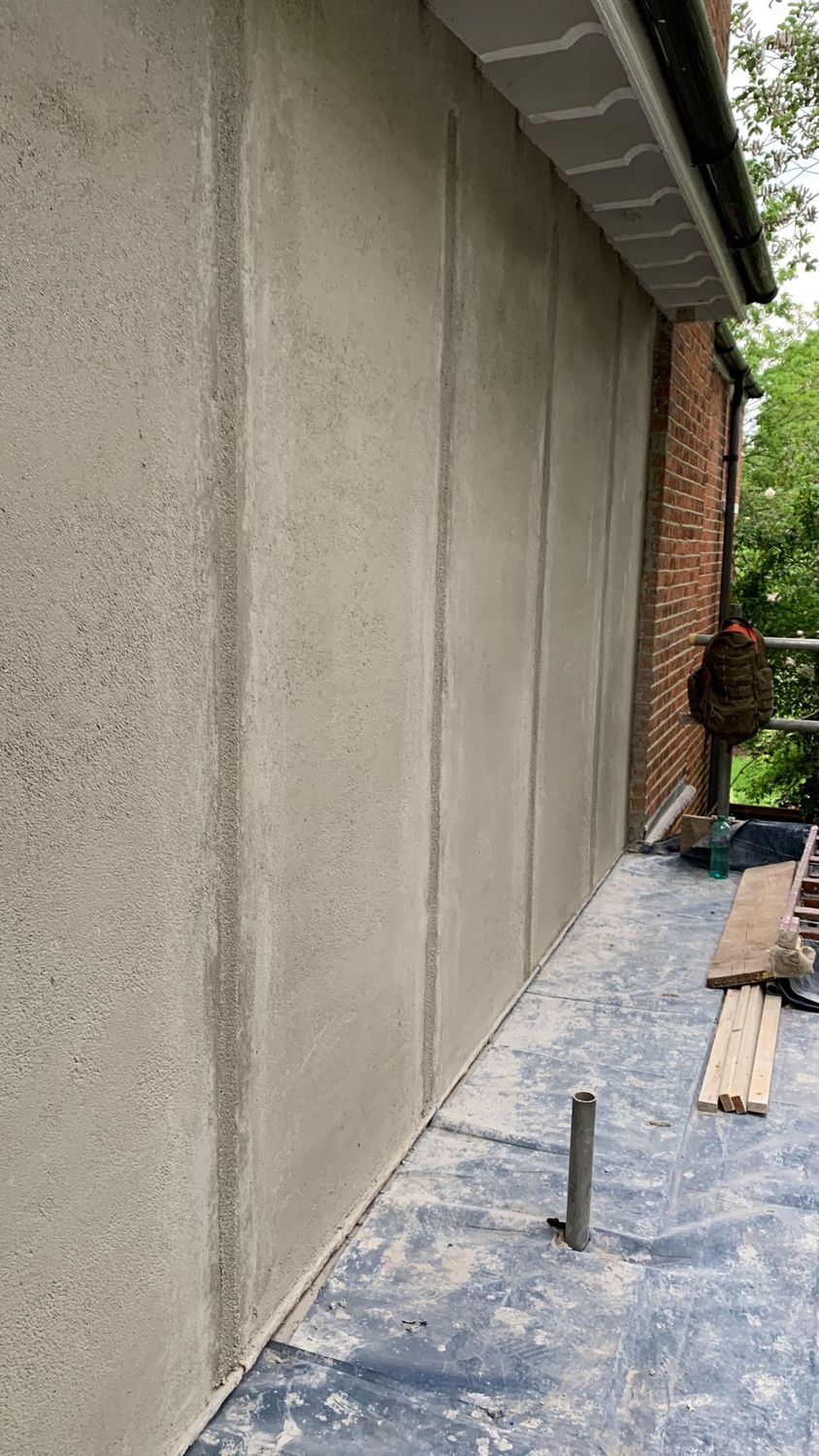
Battens taken out and wall fully rendered with Diathonite base coat
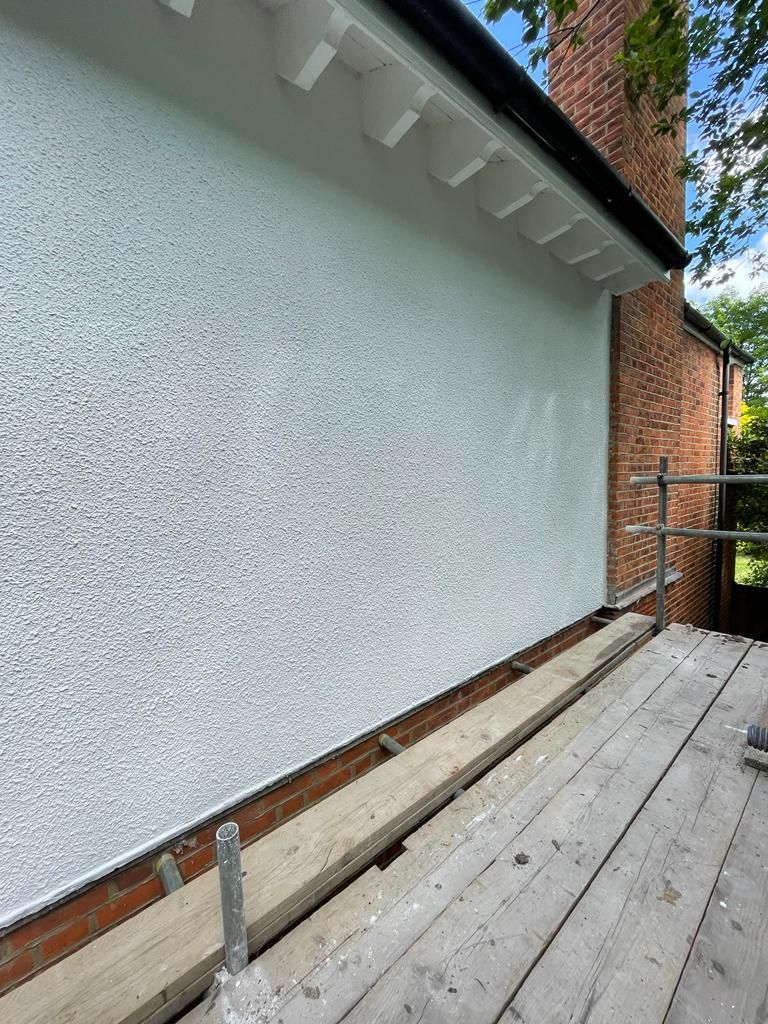
Diasen Argatherm smoothing coat render applied - roughcast
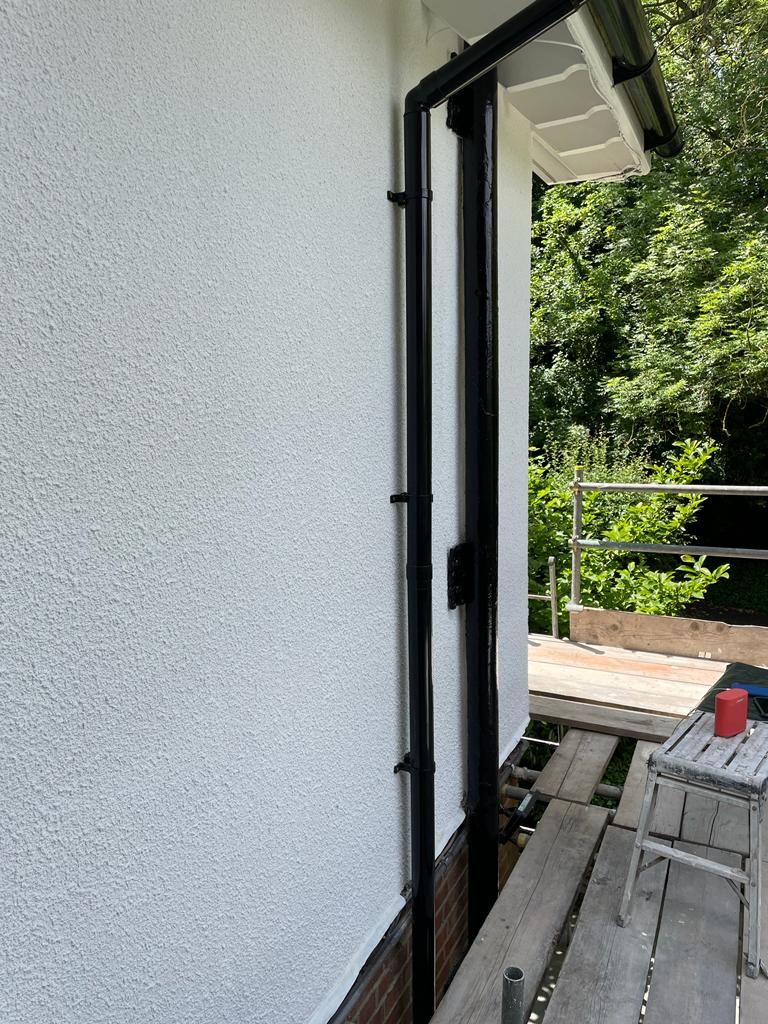
Diasen Argatherm roughcast smoothing coat finish painted
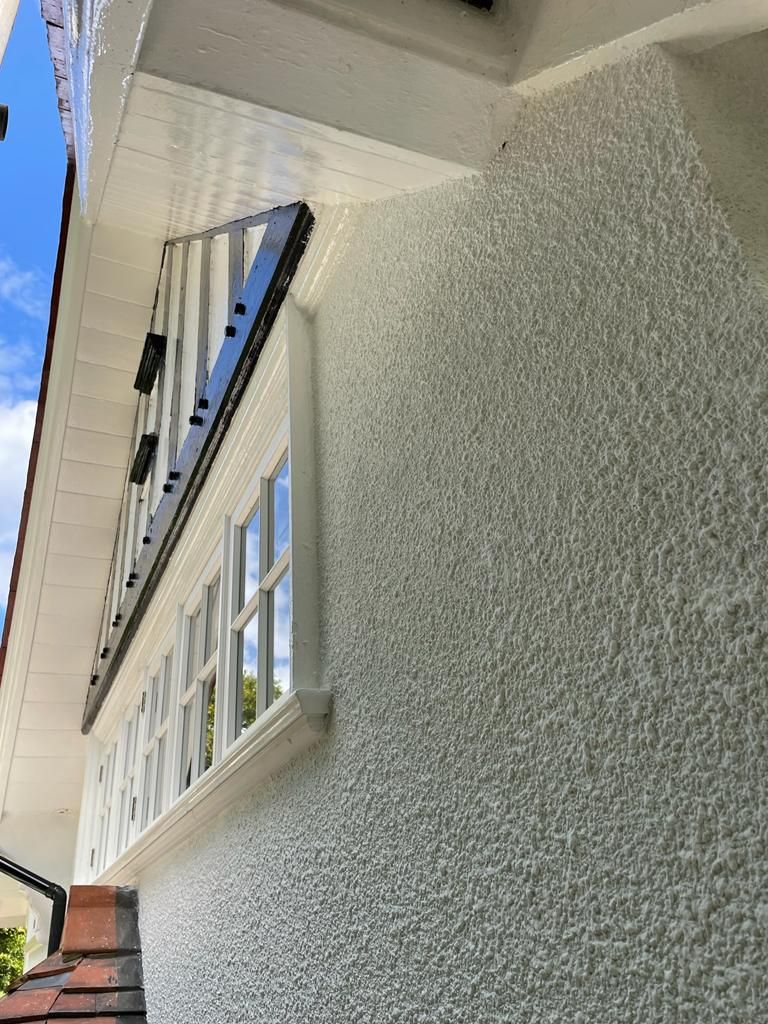
Roughcast Diasen Diathonite render system on listed building in Harrow, London
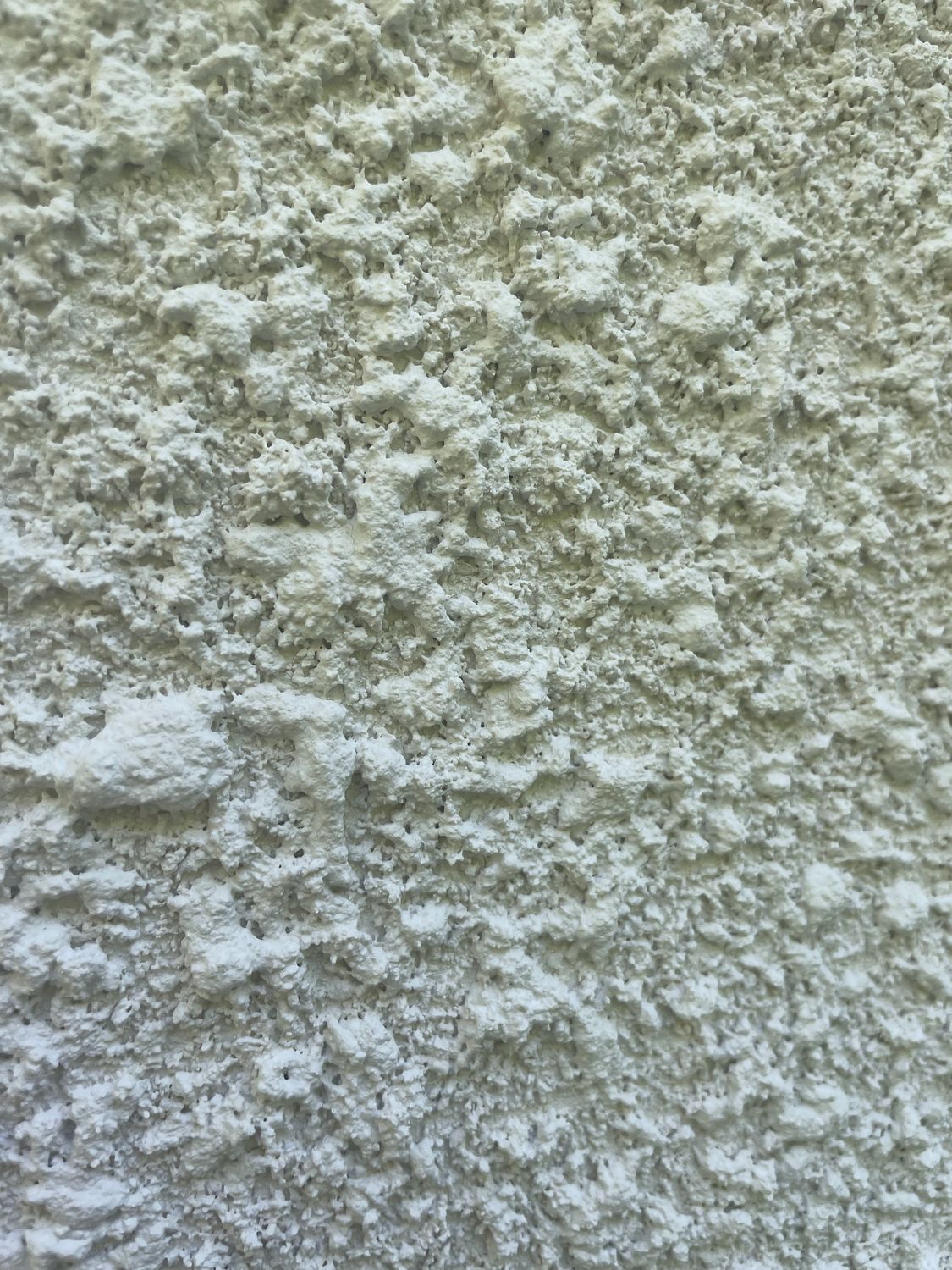
Lime roughcast render dash finish close up - using sprayed Diasen Argatherm
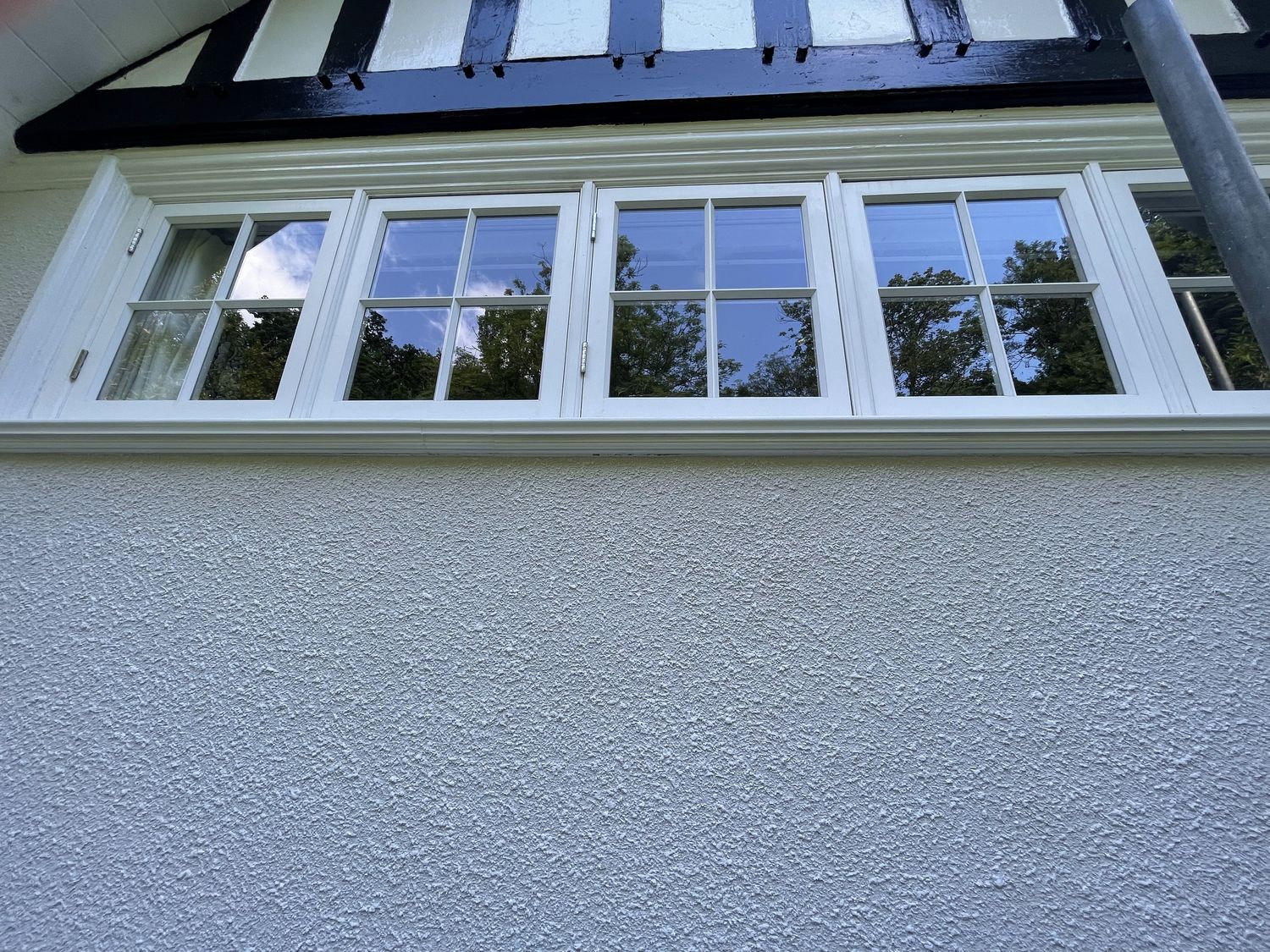
Diasen Argatherm Lime roughcast render dash finish on listed building in Harrow. London
If your listed building has a roughcast or pebbledash finish, you do not have to lose it to insulate the wall behind it.